Advertisement
Inspired

Pasta alla Gricia Recipe (Roman Classic)

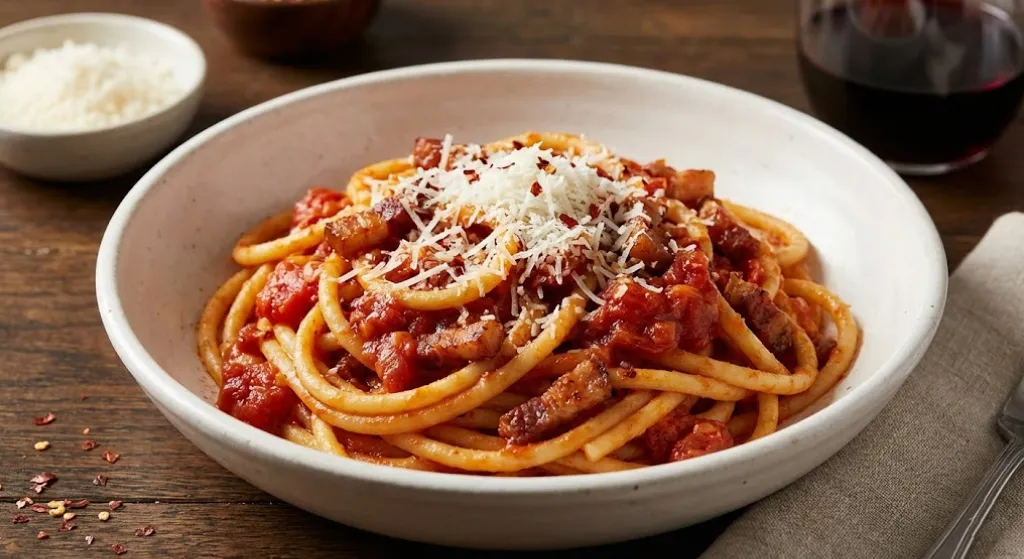
Authentic Roman pasta alla gricia with guanciale and Pecorino Romano. The simplest of Rome's four pastas—no eggs, no tomatoes, just perfection.

Total time
20 min
Servings
4 servings
Difficulty
medium

Disclosure: This page contains affiliate links. If you make a purchase through these links, we may earn a small commission at no extra cost to you.

Learn more
Pasta alla Gricia Recipe (Roman Classic)
Prep
5 min
Cook
15 min
Total
20 min
Serves
4

Ingredients

Preparation

How to Make Pasta alla Gricia

Step 1: Prepare the Guanciale

Cut guanciale into strips (lardons) about 1cm wide and 3-4cm long.

Pro Tip: Strips render better than cubes and are traditional for gricia.

Step 2: Render the Guanciale

Place guanciale in a cold pan. Turn heat to medium-low. Cook for 8-10 minutes, stirring occasionally, until:

  • Fat has rendered (clear liquid in pan)
  • Pieces are golden-brown
  • Crispy on the outside

Visual Cue: Guanciale should sizzle gently. If browning too fast, lower the heat.

Important: Don't remove the rendered fat—this is your sauce base.

Step 3: Cook the Pasta

While guanciale renders, bring a large pot of salted water to a rolling boil. Add pasta and cook until al dente (firm to the bite, about 1 minute less than package directions).

Critical: Before draining, reserve 1 cup of pasta water in a measuring cup.

Visual Cue: Pasta should bend but still have a slight white center when you bite it.

Step 4: Prepare the Cheese Mixture

While pasta cooks, in a bowl combine:

  • 80g finely grated Pecorino Romano (save 20g for serving)
  • Generous black pepper

Mix together. The pepper should be evenly distributed.

Pro Tip: Grate cheese very fine (microplane ideal)—helps it dissolve into the sauce.

Step 5: Combine Everything (Mantecatura)

Critical technique:

  1. Remove pan from heat (guanciale should be done)
  2. Wait 30 seconds — Pan should stop sizzling
  3. Add drained pasta to the pan with rendered fat
  4. Toss to coat pasta with fat
  5. Add cheese mixture gradually, tossing constantly
  6. Add pasta water as needed (1-2 tablespoons at a time)
  7. Toss vigorously (mantecatura) for 30-40 seconds

Visual Cues:

  • Sauce should be creamy and glossy
  • No visible cheese clumps
  • Pasta well-coated
  • Guanciale pieces distributed throughout

The mantecatura motion:

  • Lift pasta from bottom
  • Toss forward and up
  • Catch and repeat
  • Vigorous, continuous motion

Step 6: Serve Immediately

Divide among warm bowls. Top with remaining Pecorino and extra black pepper. Serve immediately!

Pro Tip: Warm bowls help keep the sauce creamy.

Nutrition (per serving)

Calories 620 Protein 26g Carbs 65g Fat 28g
Advertisement

# Pasta alla Gricia Recipe (Roman Classic)

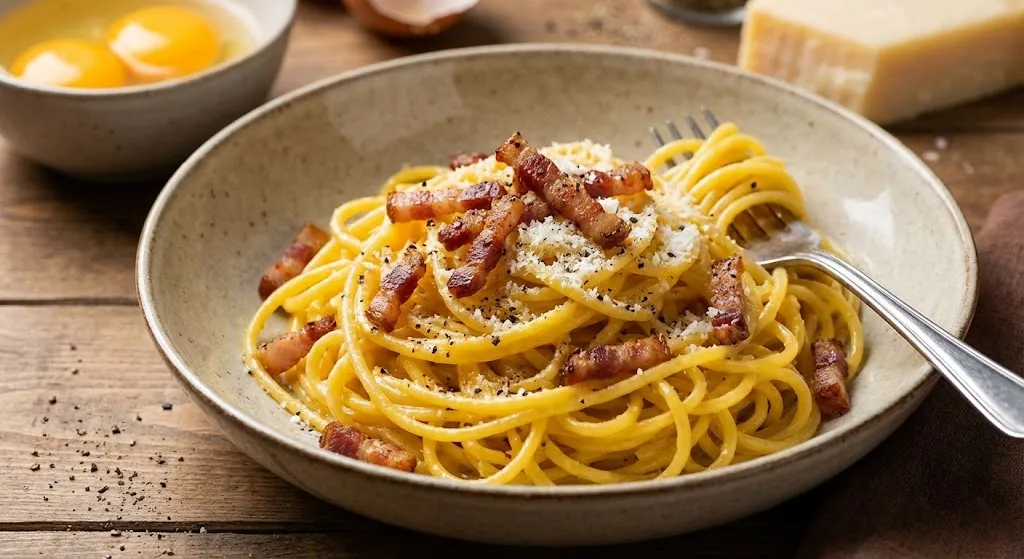
Pasta alla gricia is the simplest of Rome's four classic pastas—just guanciale, Pecorino Romano, and black pepper. Often called "carbonara without eggs," this dish proves that simplicity, when executed perfectly, is sublime.

Why This Recipe Works

This authentic Roman gricia succeeds because:

  • Pure simplicity — Just four ingredients (pasta, guanciale, cheese, pepper)
  • Perfect technique — Mantecatura creates creamy sauce from rendered fat
  • Quality ingredients — Real guanciale and Pecorino Romano are essential
  • No complications — No eggs to temper, no tomatoes to cook
  • Rich and satisfying — Guanciale fat creates luxurious sauce

Important Note: Gricia is one of the four classic Roman pastas, along with carbonara, cacio e pepe, and amatriciana. It's essentially carbonara without eggs—perfect for those who want the richness without the egg technique.

Ingredients You'll Need

For the Gricia

  • 400g spaghetti or rigatoni — Rigatoni is traditional, but spaghetti works
  • 200g guanciale — Cut into strips (lardons)
  • 100g Pecorino Romano — Freshly grated, very fine
  • Black pepper — Freshly cracked, generous amount

Ingredient Notes:

  • Pasta: Rigatoni is traditional, but spaghetti, bucatini, or mezze maniche work
  • Guanciale: Essential—pancetta works but guanciale is traditional
  • Cheese: Must be Pecorino Romano—freshly grated is essential
  • Pepper: Freshly cracked is best—pre-ground lacks flavor

Why These Ingredients:

  • Guanciale provides rich, porky base and fat for emulsion
  • Pecorino adds saltiness and creaminess
  • Black pepper adds heat and aroma
  • Simple ingredients let technique shine

Equipment Needed

  • Large pot for pasta
  • Large skillet or pan
  • Tongs or pasta fork
  • Grater (for cheese, microplane ideal)
  • Pepper mill (for fresh cracking)

More Recipes You'll Love

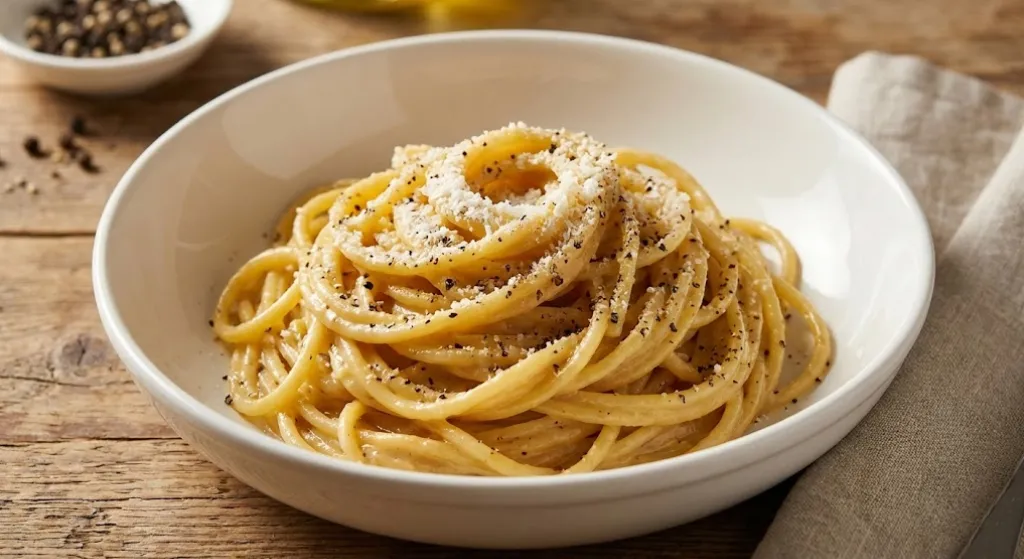
  • [Cacio e Pepe](/recipes/cacio-e-pepe/) — Cheese and pepper Roman pasta
  • [Pasta Amatriciana](/recipes/pasta-amatriciana/) — Tomato-based Roman pasta
  • [Classic Spaghetti Carbonara](/recipes/classic-carbonara/) — The fourth Roman pasta
  • [The Four Pastas of Rome](/guides/four-pastas-of-rome/) — Complete guide to Roman pastas

---

Recipe tested and perfected — This authentic gricia recipe has been tested multiple times to ensure it works reliably. Master the mantecatura technique and you'll have perfect gricia every time.
EXCLUSIVE COMMUNITY

Join the Carbonara Club Premium

Get monthly recipe deep dives, direct support from our kitchen experts, and curated imported ingredient discounts.

Ingredient Checklist

Check off items as you gather them